Wireless Meat Thermometers
If you’ve been getting acquainted with your smoker by making simple things like brats, hot dogs or chicken pieces, it’s likely that you’re anxious to move ahead. Learning how to bring a wonderful smoky taste to beef brisket, pork shoulder, and whole salmon can be a wonderful challenge. Like any type of cooking, larger-sized meats and poultry take more time and preparation. Because the smoking process is slow (as it should be for the beginner), there are steps that include using a wireless meat thermometer for best results.
Cooking the Meat and not the Equipment
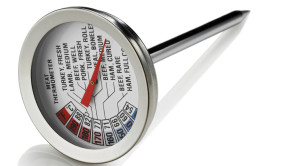
Unlike the analog thermometer attached to your smoker, there are two advantages to using this. The first is that the digital model gives a more accurate reading. Analog thermometers that come with smokers can misread the temperature of the food, sometimes by as much as 50°F. The reason is that the gauge is not in contact with the meat being cooked – but the smoker itself.
Do other things while you grill
As most meat can take up to an hour per pound to cook thoroughly, this process can be time-consuming when it comes to preparing more than one entrée or meat that’s heavy in weight. Common questions are – Do I step away to run errands? Is it time to just sit back with a cool drink while watching the grill? Or, how will I know when to raise the lid to check my meat?
Always Know the Status of your Meat
Unless a person smokes meat for a living, there’s no easy way to determine when meat is done. If temperatures are too low, the meat texture can be tough or chewy. Inexperienced smoke masters may be tempted to raise the heat for faster cooking but this can lead to food poisoning, as the center may be raw. Worse, meat may appear cooked but not enough to kill bacteria that may have been transmitted during normal handling.
More Options for Meat Smoking Flavors
Wireless meat thermometers give the smoke master options to have cooking that is healthy and worry-free. While you may see varied suggestions for meat smoke time, there are many factors to take into consideration. These can make a big difference when it comes to how much smoking is needed to make into sweet, smoky goodness –
- The type of meat
- Overall thickness
- Grade
- Feed (grass or corn)
Remote Controls make Wireless Thermometers easy to use
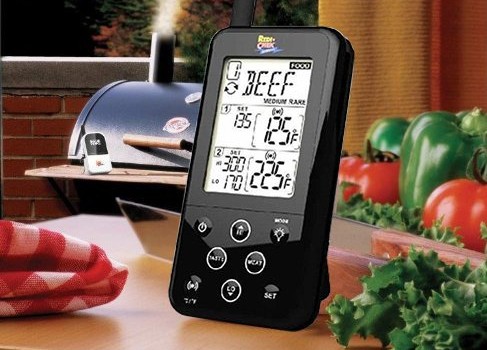
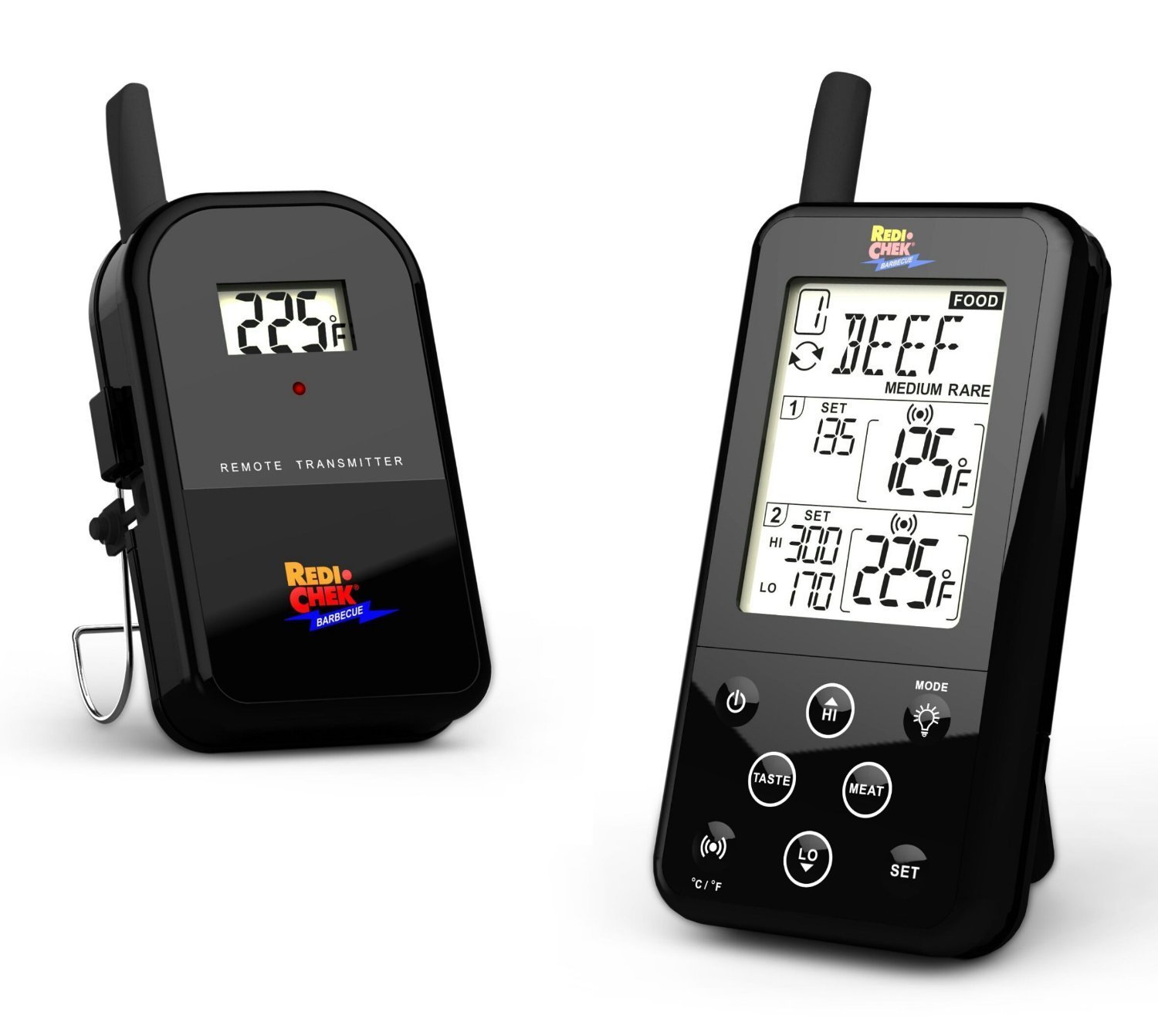
Digital thermometers can be programmed to alert smoke master of cooking temperatures, cooking stage, or act as a timer. Most wireless thermometers come with a remote with an average range of 300 feet from smoker. This feature is great for those who are heat smoking while entertaining or watching television, as it can be easily to become distracted and forget there’s something cooking.
Testing Meat the Old Way
While an experienced person may say to just touch the meat to check for tenderness, this isn’t recommended by the Center for Disease Control (CDC). On its website, FoodSafety.gov, the use of digital meat thermometers is preferred over other types of temperature gauges. Their data also shows that a majority of food poisoning cases reported are the result of undercooked meat.
On the other hand, meat that has been overcooked doesn’t pass through digestive tract as quickly. Not to mention, the loss of moisture makes it difficult for anyone to eat. Too much smoke flavor can make meat taste bitter or make someone sick.
Reduce Read Times
There are other features that make heat smoking enjoyable, such as faster read times. Analogs can take up to 30 seconds for a read that may or may not be accurate. The digital versions, with its dual probe thermometers, give a read in about 3-5 seconds. The remote can be programmed to give readings of both meat and smoker temperatures, along with their progress. Some models have audio or verbal alerts that make the process a little easier.
Other Features of Wireless Meat Thermometers
Other features include shock resistance, backlit LED and many models can handle temperatures up to 700°F. Some come with Bluetooth capability or have proprietary software apps that can be used with popular mobile devices. There are even models that can be programmed to monitor up to eight different types of meat in one session. While the National Sanitation Foundation (NSF) approves some wireless thermometers, others without this recognition are just as effective.
Plan Ahead for hours of Cooking
As more people are getting into the heat smoking experience at home, it helps to make the best of each meal by planning first. Understanding the type of meat or poultry should be part of those plans so that you will know what to expect during the smoke process. Also, by assessing needs and events likely to occur, you can choose the right wireless digital meat thermometer that’s the most compatible with your smoking needs.

Related Posts
Cook Chicken Safely with Meat Thermometers →
Best Portable Grill →

Best Meats to Smoke →